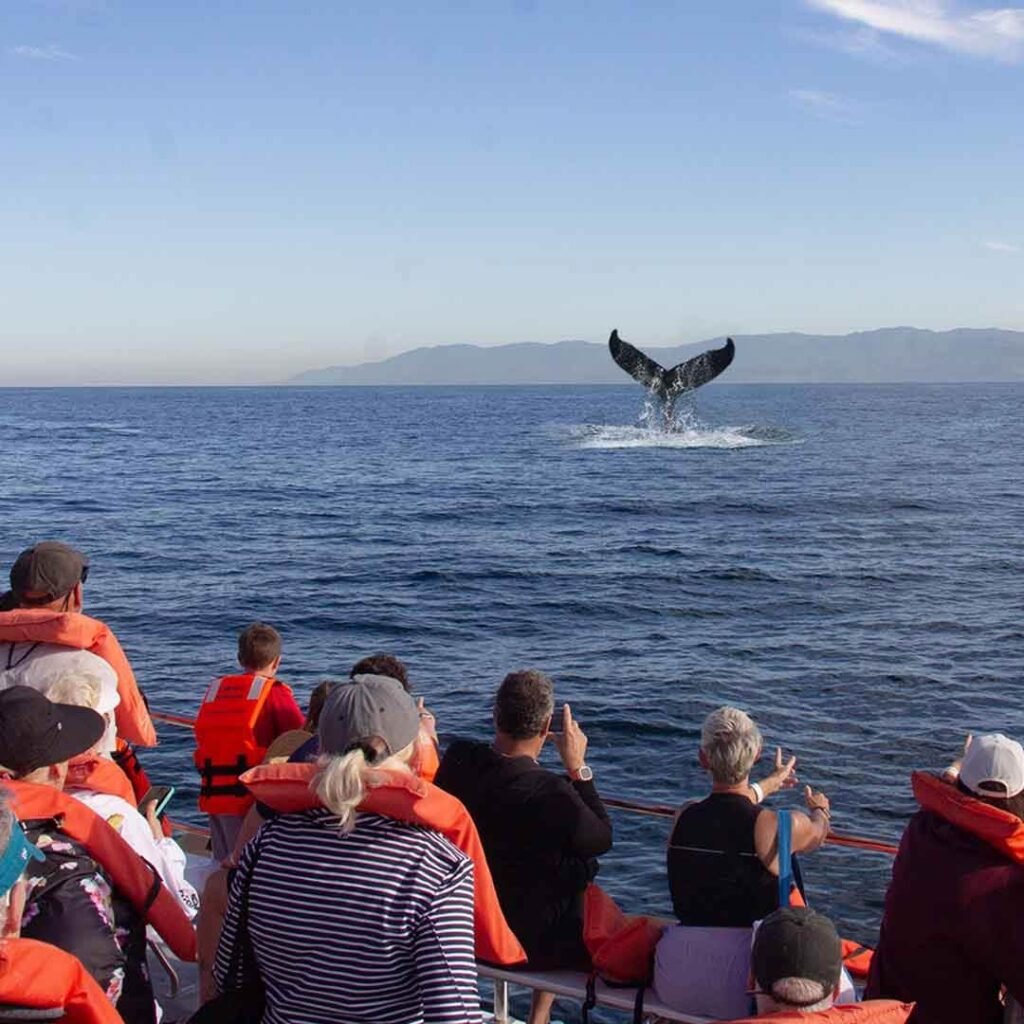
Every year, the waters of Banderas Bay become one of the most exciting places to experience marine wildlife along Mexico’s Pacific coast. During whale season, humpback whales migrate to the warm waters of the bay, offering visitors the opportunity to witness these incredible animals in their natural habitat. Whether you’re visiting Puerto Vallarta, Sayulita, or another destination along Riviera Nayarit, whale watching can be one of the most memorable experiences of your vacation.
Whale watching season in Banderas Bay generally runs from December through March, when humpback whales arrive after migrating from colder northern waters.
January and February are particularly popular months for sightings, as whale activity is often noticeable throughout the bay. During this period, visitors may see whales swimming, breaching, or displaying their tails above the water.
Since whales are wild animals, sightings and activity can never be guaranteed, but visiting during the official season gives you the best opportunity to experience them.
Why Do Humpback Whales Visit Banderas Bay?
Humpback whales travel thousands of miles from colder waters in the North Pacific to the warmer waters of Mexico during winter. Banderas Bay provides an important environment for mating, giving birth, and caring for newborn calves.
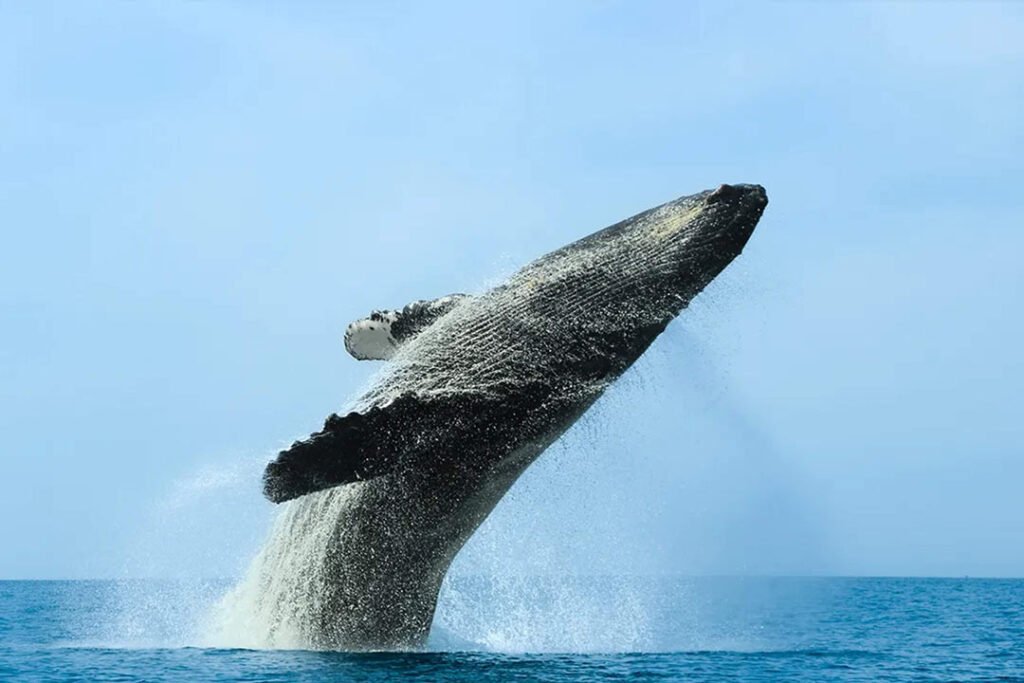
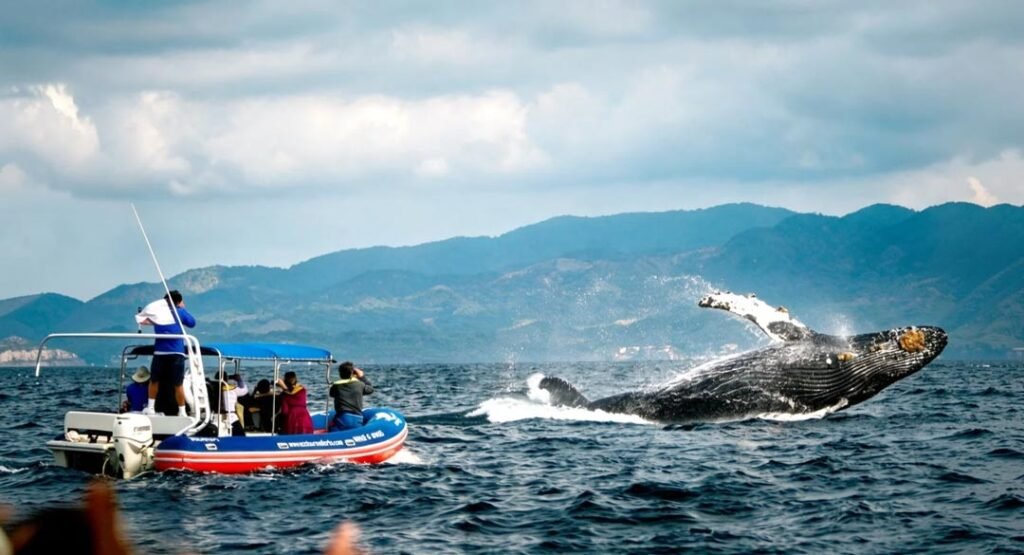
During their stay, these magnificent animals can often be seen swimming close to the surface, interacting with other whales, and occasionally displaying impressive behaviors such as breaching (jumping out of the water) and slapping their tails.
Seeing a mother swimming alongside her calf is particularly special and is one of the highlights of whale-watching season.
What Happens During a Whale-Watching Tour?
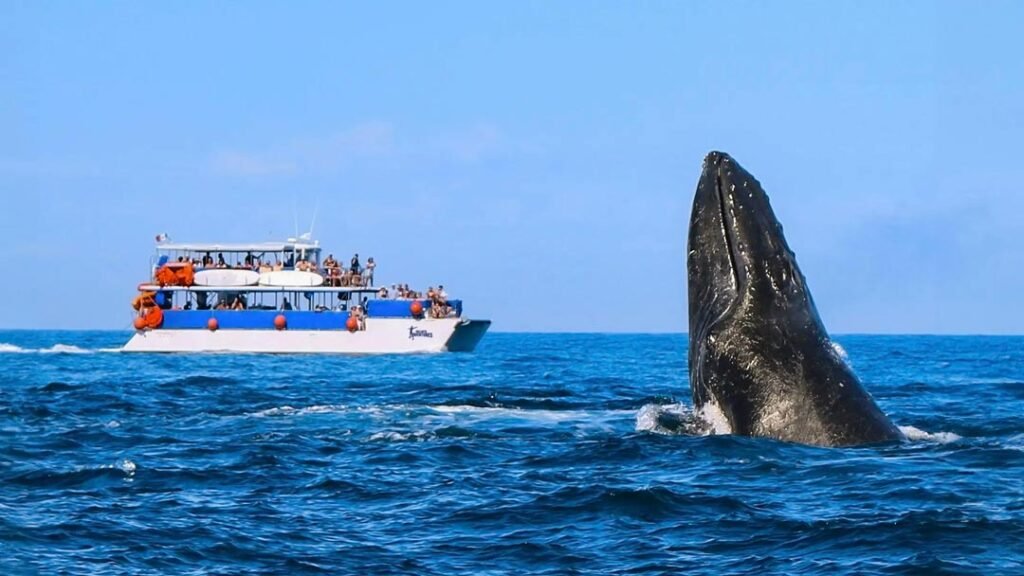
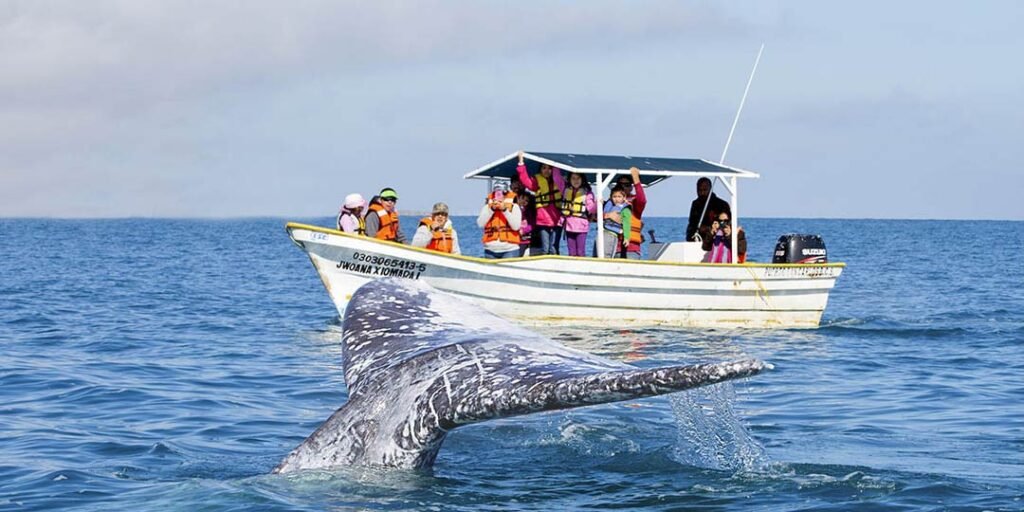
Most whale-watching experiences take place aboard boats that travel through different areas of Banderas Bay in search of whale activity. Tours typically last between two and four hours, depending on the operator and excursion.
Once a whale is spotted, passengers may have the opportunity to observe several behaviors, including:
Breaching: When a whale launches much of its body out of the water.
Tail Slapping: When it lifts its tail and strikes the water’s surface.
Spouting: When it exhales through its blowhole, creating a visible cloud of water vapor.
Swimming with Calves: When mothers travel alongside their young, sometimes teaching them essential behaviors.
Every excursion is different because whales move freely in their natural environment, making each encounter unique.
Where Can You Go Whale Watching in Banderas Bay?
One of the advantages of visiting this region is that whale-watching excursions are available from several coastal locations.
Popular departure points include Puerto Vallarta, Nuevo Vallarta, La Cruz de Huanacaxtle, Punta Mita, and Sayulita.
Depending on the departure location, boat operators explore different areas of Banderas Bay where whales are known to migrate during the winter season. Some excursions also combine whale watching with visits to scenic coastal areas or other marine wildlife experiences.
What Should You Bring on a Whale-Watching Tour?
Being prepared can make your experience much more comfortable, especially if you’re spending several hours on the water.
Here are a few essentials worth bringing:
Sunscreen: Choose a reef-conscious option and protect your skin from prolonged sun exposure.
Sunglasses and a Hat: The reflection of sunlight on the water can be particularly strong.
Lightweight Clothing: Comfortable clothing and a light jacket are useful because ocean breezes can feel cooler.
Camera or Smartphone: Bring a camera with a zoom lens if you want to capture distant whale sightings.
Motion Sickness Medication: If you’re sensitive to boat movement, consider taking appropriate precautions before departure.
It’s also a good idea to follow your tour operator’s recommendations regarding departure times and safety equipment.
Whale watching is an incredible experience, but it’s important to remember that these animals are wild and deserve to be observed respectfully.
When choosing an excursion, look for authorized operators who follow Mexico’s wildlife protection regulations. Boats must maintain minimum observation distances, avoid sudden movements, and never chase or surround whales aggressively.
Visitors should also avoid attempting to touch, feed, or swim with whales. Responsible tourism helps protect these magnificent animals and ensures that future generations can continue enjoying their presence in Banderas Bay.
Whale watching in Banderas Bay is one of the most unforgettable experiences available along Mexico’s Pacific coast. From witnessing a humpback whale breach to observing a mother swimming with her calf, every encounter offers a unique glimpse into marine wildlife. If you’re visiting Puerto Vallarta, Sayulita, or Riviera Nayarit during winter, consider adding this experience to your vacation itinerary.
A little preparation and a responsible approach to wildlife tourism can make your whale-watching adventure truly memorable.
Need a reliable ride from the airport to your destination?
Start your trip stress-free with a private transportation service designed for travelers arriving in Puerto Vallarta and heading to Sayulita or nearby areas.